Last Updated January 9, 2026
In Crystal River, fishing isn’t something you squeeze in when there’s time—it’s part of how the place works. These inshore waters stay alive year-round, and no two trips fish exactly the same. One week you’re working shallow grass, the next you’re easing along mangroves or setting up on deeper edges. To make sense of it all, it helps to know what shows up when and why.
That’s what this calendar is for—a quick look at what you can expect as the seasons turn in Crystal River’s inshore waters. Whether you’ve been fishing here for years or you’re just getting started, it gives you a solid picture of how the year unfolds on this water.
Year-Round Targets
Some fish never really leave Crystal River. Thanks to steady water conditions and plenty of habitat, these species can be found inshore any time of year:
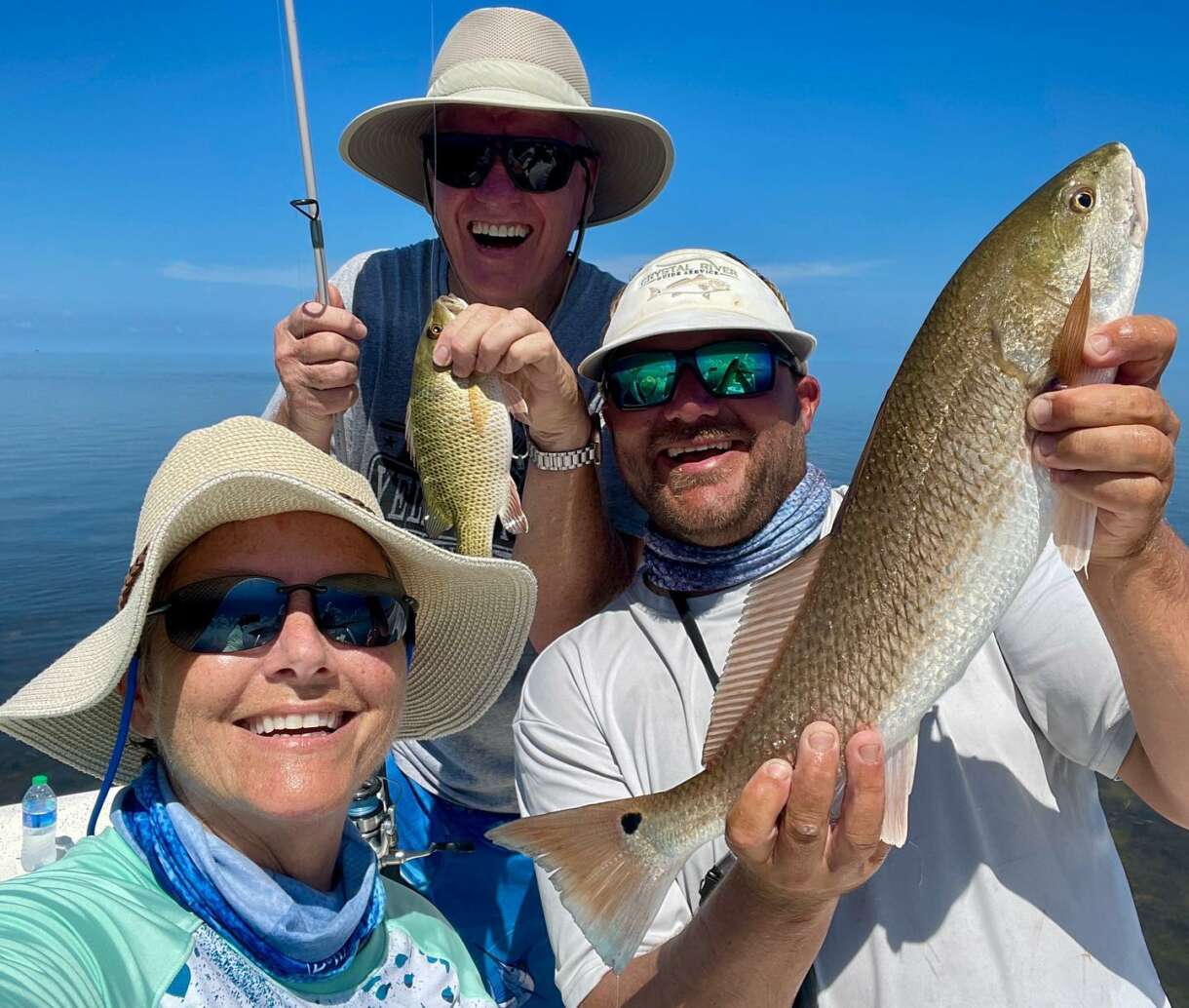
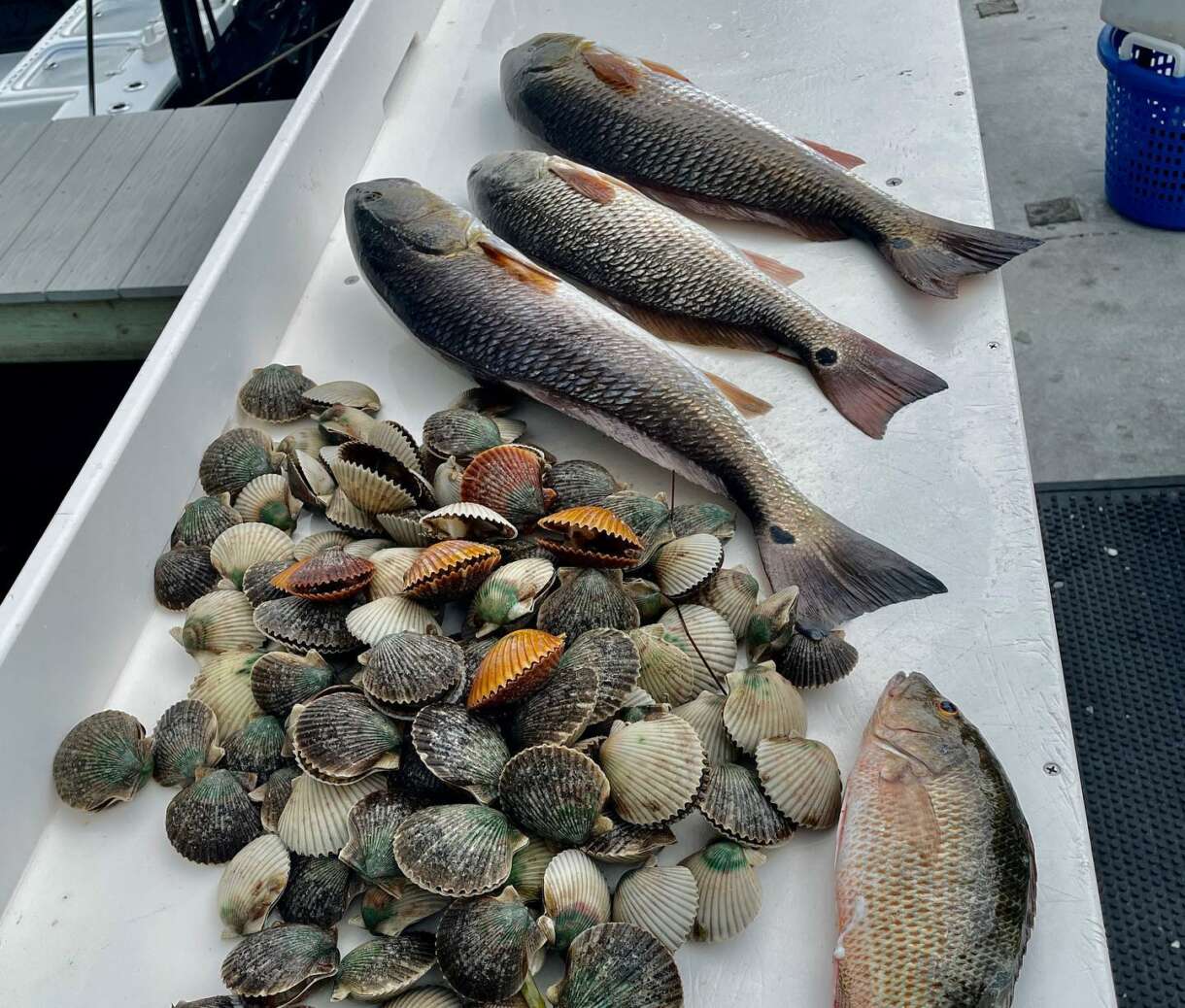
- Redfish (Red Drum): Easy to recognize by the tail spot and always a reliable target.
- Spotted Seatrout: Grass-bed fish that stay active across the seasons.
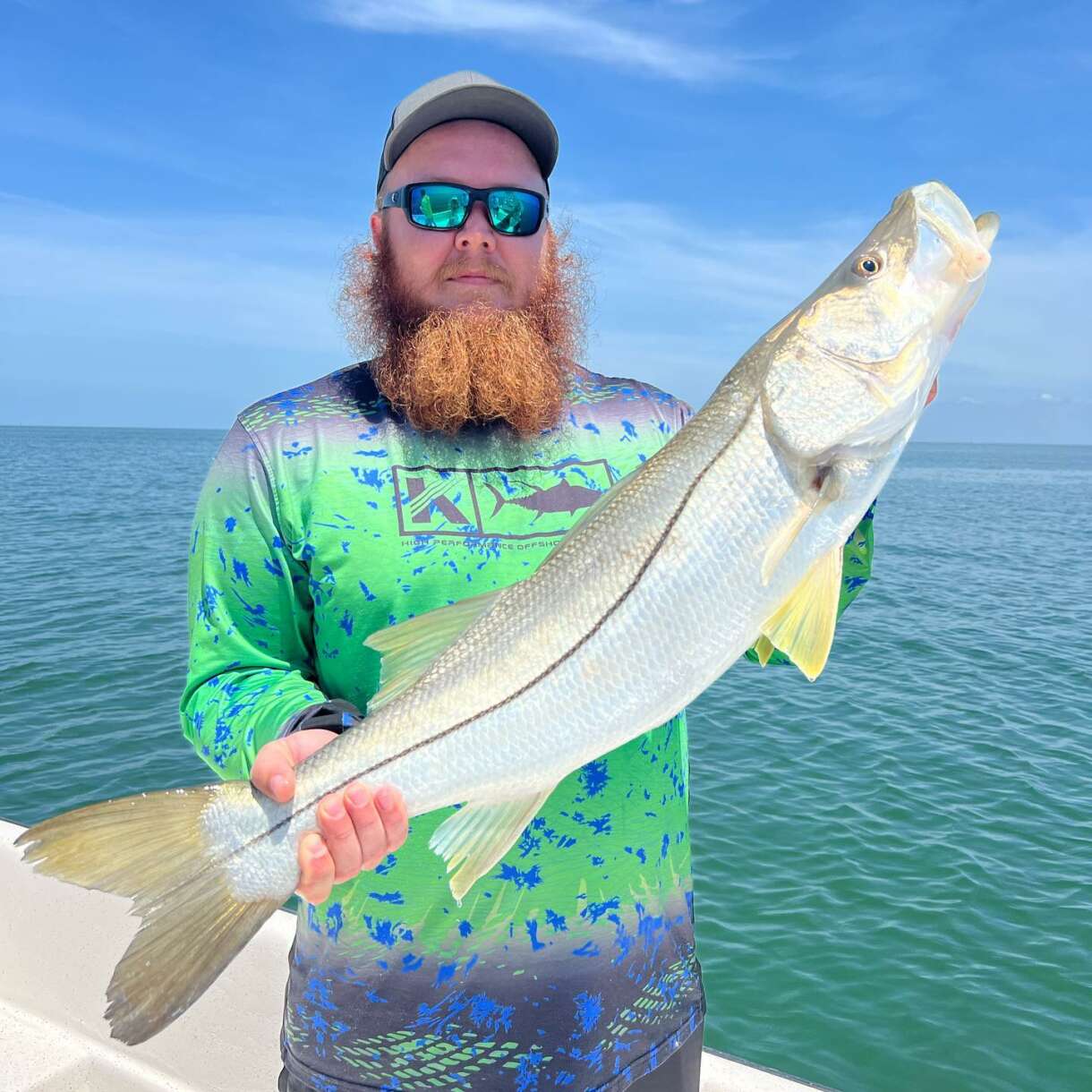
- Snook: A favorite around mangroves and structure, especially when conditions line up.
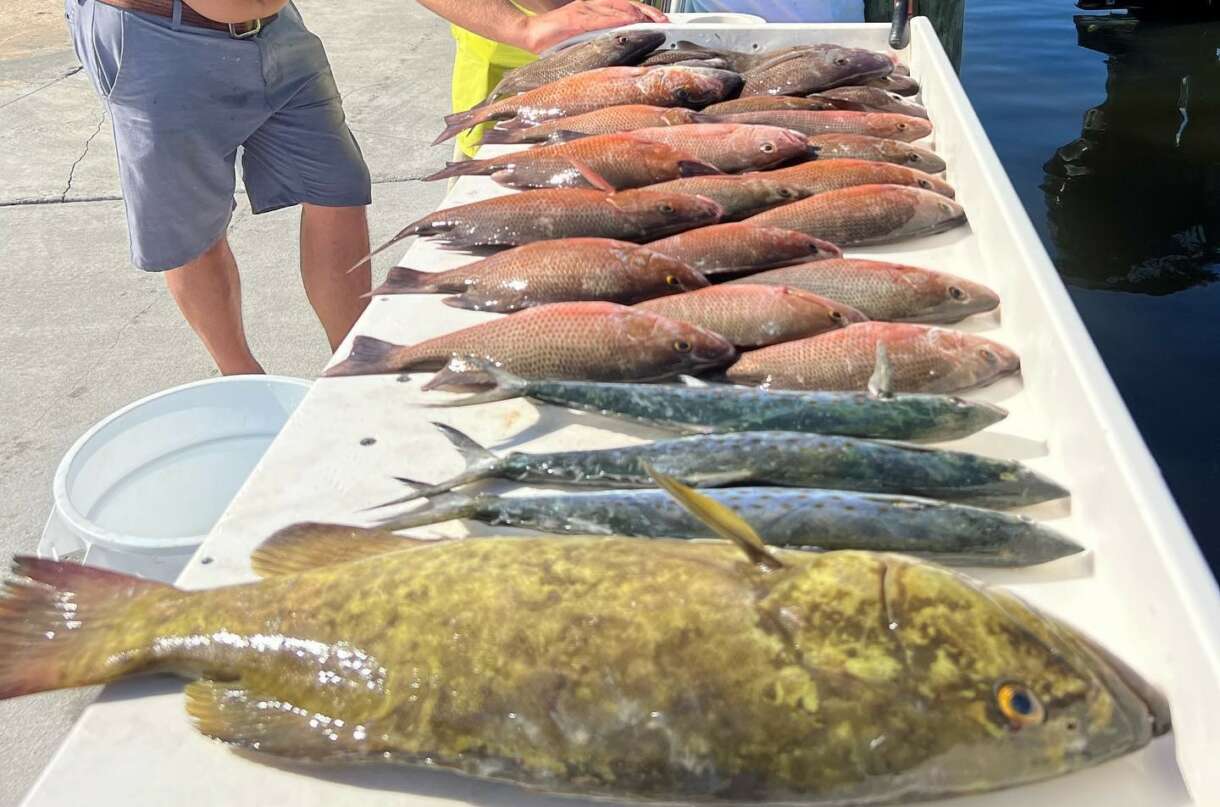
- Mangrove Snapper: Common around docks, rocks, and mangroves—these snappers stay in play year-round.
- Black Drum: Often mixed in with reds, especially around oyster and sand.
- Sheepshead: Structure fish with a knack for stealing bait.
- Flounder: Bottom-huggers that show up more often than people expect.
- Tarpon (limited to certain sizes and strict regulations): The “Silver King” makes appearances depending on size and season.
- Jack Crevalle: Hard fighters that travel in schools.
- Ladyfish: Quick, jumpy, and usually willing to eat.
They’re around all year, but how many you see—and where—depends on conditions. Regulations change, too, so checking current rules and licenses before heading out keeps things simple and legal.
The waters around Crystal River, Florida, shift with the seasons, and different fish take the spotlight as the year moves along. Here’s how it usually breaks down, starting with spring.
Spring (March – May)
Spring wakes things back up. Water temps climb, bait shows up, and fish start moving with purpose.
- Cobia: Start cruising wrecks and markers during their migration.
- King Mackerel: The spring run kicks off along the coast.
- Spanish Mackerel: Smaller but aggressive and plentiful.
- Pompano: Often found around passes and sandy bottom.
- Speckled Trout: Spring can produce some of the better trout of the year.
- Redfish: Stay active, with bigger fish sliding inshore.
- Snook: Begin leaving winter hideouts.
- Tripletail: Show up around floating debris and structure.
- Tarpon: Start appearing late spring, especially toward May.
Summer (June – August)
Summer brings hot temperatures and warm waters, so timing matters. Early mornings and late afternoons usually fish best.
- Tarpon: Peak season, especially early summer.
- Scallop Season: Not fishing, but a big part of summer on the water.
- Redfish: Still a staple inshore.
- Snook: Very active, especially near passes.
- Spotted Seatrout: Best early before the heat settles in.
- Mangrove Snapper: More aggressive around structure.
- Sharks: More common and very active.
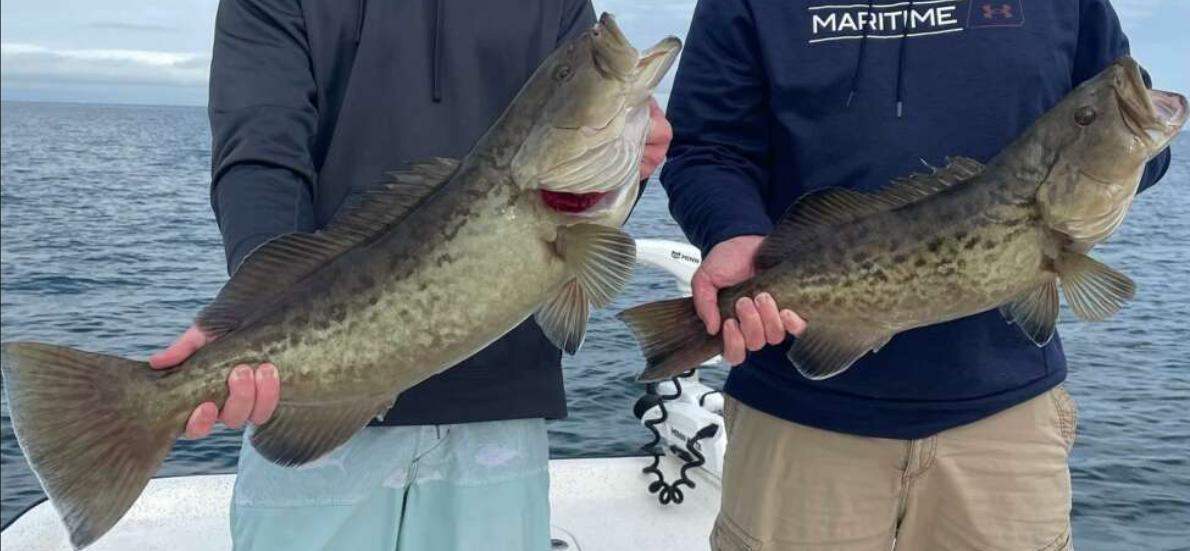
- Grouper: Some species push into shallower water.
Fall (September – November)
Fall is when things settle down. Fewer boats, cooler air, and fish feeding hard.
- Redfish: Schools get larger and easier to target.
- Snook: Stay active before colder weather.
- Flounder: Begin moving and showing up more often.
- King Mackerel and Spanish Mackerel: Another strong migration window.
- Trout: Slide shallower as temps drop.
- Black Drum: Show up in better numbers.
- Pompano: More consistent around sandy areas.
Winter (December – February)
Winter fishing stays productive if you fish smart and adjust.
- Sheepshead: Prime time for sheepshead around structure.
- Redfish and Black Drum: School up in deeper holes and channels.
- Trout: Hold in deeper, warmer water.
- Snook: Move toward springs and deeper areas.
- Pompano: Still available through winter.
- Grouper and Snapper: Smaller fish show up in nearshore and inshore fishing zones.
While this gives a good framework, real conditions always matter—weather, tides, and regulations all play a role. Staying current keeps fishing good for everyone.
Fishing is a Year-Round Activity Here
Fishing Crystal River means adjusting with the seasons. No two months fish the same, and that’s part of the appeal. Having someone who knows how those changes play out can make the day smoother and more productive. That’s where Crystal River Guide Service comes in.
Every trip is built around current conditions—what’s biting, where fish are setting up, and how to approach the day. From spring runs to winter patterns, local knowledge keeps you in the right water.
Captain Casey Russell runs trips the way they should be run. He’s been fishing since he could walk, earned his captain’s license young, and knows these waters inside and out. His experience turns each trip into something useful, whether you’re sharpening skills or learning the fishery from scratch.
Experience Crystal River Adventure with Our Customized Fishing Charters
Crystal River Guide Service offers trips built around how you want to fish. Captain Casey Russell runs charters across grass flats, oyster bars, creeks, and rivers—the water that makes this fishery what it is.
Our inshore fishing charters focus on redfish, trout, snook, and tarpon. For something heavier, Grouper Fishing charters target gag grouper in surprisingly shallow water. If you want something with some pull, our Shark Fishing charters bring the fight. And for an easygoing day on the water, our Scalloping charters let you slow things down and enjoy the flats.
Every trip is about fishing Crystal River the right way and leaving with something to remember. If you’re ready to get on the water, book your trip today!