
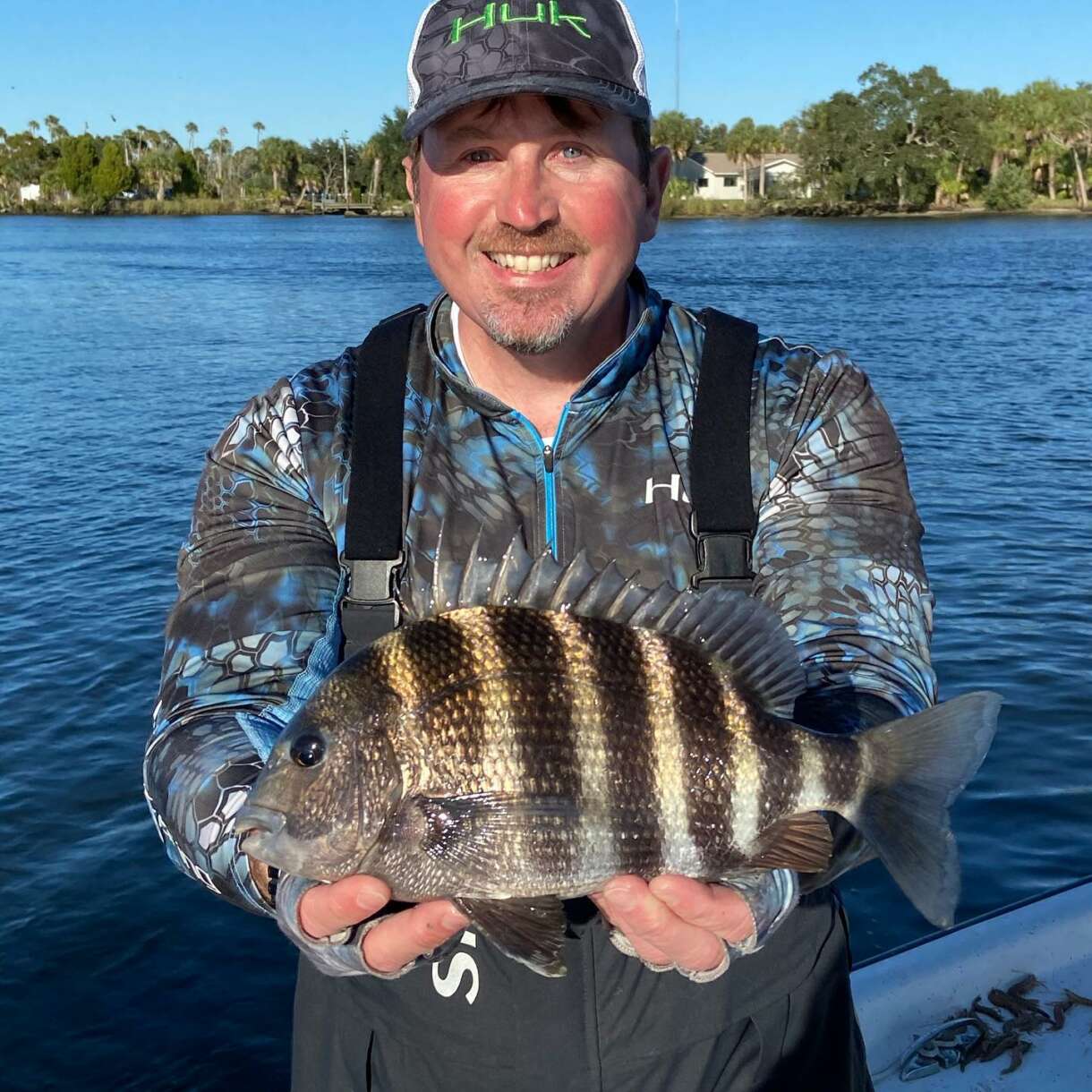
February fishing in Crystal River is late winter at its best. You still get the clear water and predictable cold season patterns, but you also start seeing longer afternoons and more frequent warming trends that pull fish shallow to feed. If you like hunting reds on skinny edges, working trout over potholes, and mixing in sheepshead and black drum when the wind blows, February is one of the most consistent months of the year on Florida’s Nature Coast.
If you want the most up to date conditions before picking dates, start with the latest Crystal River fishing reports. For the bigger seasonal context, Winter Fishing This Year in Crystal River, Florida lays out the cold season playbook that February follows almost perfectly.
What February Fishing in Crystal River Really Looks Like
February is a month of patterns and windows. Cold fronts still roll through, and north winds can pull water off the flats, creating low tides that concentrate fish. At the same time, sunny afternoons can warm dark bottom and protected pockets just enough to flip the bite on, especially for redfish and drum.
The most important February mindset is simple. Do not try to fish everywhere. Fish the most comfortable water for that day, then ride the tide and sun into the higher percentage zones. When you do that, February can feel almost predictable.
If you are connecting month to month, this pairs well with our January fishing in Crystal River breakdown, since February is often the same formula with slightly better afternoon conditions.
Best Fish to Target in Crystal River in February
| Species | Where they set up in February | Best conditions | Reliable baits and presentations |
|---|---|---|---|
| Redfish | backcountry creeks, mud flats, oyster edges, shoreline pockets, flat drains | sunny afternoons, warming trends, steady moving water | live shrimp, gold spoons, weedless soft plastics, light jig and shrimp |
| Spotted Seatrout | potholes and troughs on low tide, grass and sand edges, creek mouths | light chop, consistent drifts, moving tide stages | soft plastics on light jigheads, twitch baits with pauses, shrimp under a cork |
| Sheepshead | docks, bridge pilings, limestone and rock, nearshore rock piles on calm days | clear water, current around structure, stable weather windows | shrimp pieces, fiddlers, small crustaceans on light rigs tight to structure |
| Black Drum | deeper creek bends, soft bottom depressions, edges near oysters and rock | afternoon warmups, stable conditions after fronts | shrimp, cut crab, slow bottom presentations |
| Snook (often catch and release in winter) | warm pockets near springs, deeper river bends, heat holding structure | mild spells, calm sunny afternoons, minimal handling | slow rolled paddletails, shrimp, small jerkbaits fished patiently |
If you want a quick species snapshot specifically for this month, our February species rundown is a handy companion read.
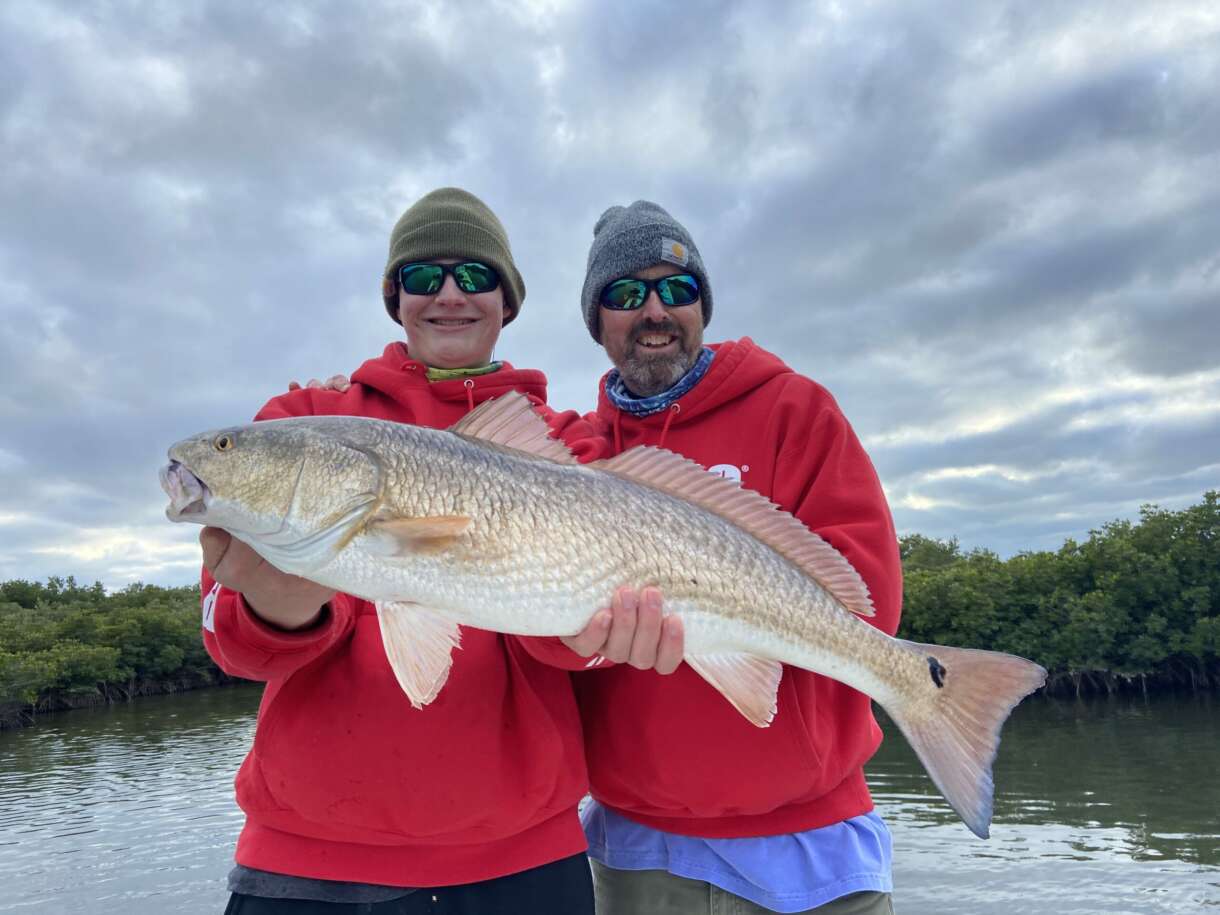
February Redfish in Crystal River
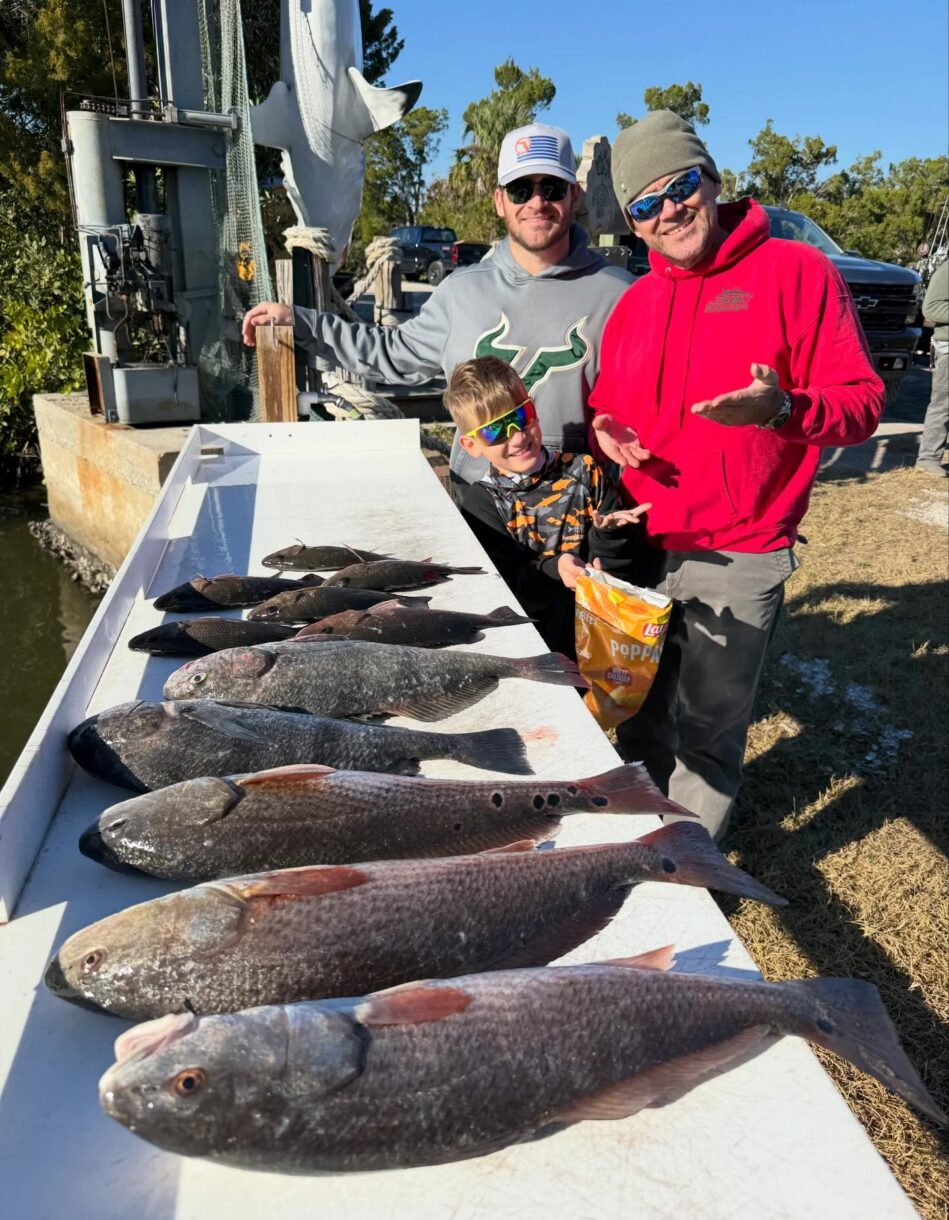
Redfish are the anchor species for February. They do not disappear after a front, they simply reposition into the most stable water available. In this fishery, that often means deeper bends in creeks, protected pockets, and edges that have an easy escape route to depth. Once the sun has had time to work, you will commonly see reds slide back onto shallow mud and along oyster edges to feed.
February reds are very “location honest.” If the bottom is warming, if bait is present, and if the water is moving, the fish usually show. If one of those pieces is missing, you can spend a lot of time casting at pretty water with no payoff.
If you want the full late winter approach for hunting these fish in tight water, Backcountry Red’s In Crystal River breaks down why winter concentrates fish in the backcountry and how we take advantage of it.

February Trout
Trout in February are consistent, but they want the right depth and a slower presentation than most anglers naturally fish. On lower tides, trout commonly gather in potholes and troughs where there is just a little more depth and temperature stability. As water rises, they spread across mixed grass and sand edges, especially where creek mouths and current seams pull food out of the marsh.
In February, “slow down” is not just advice, it is the difference between a few bites and a steady bite. Longer pauses on twitch baits, smaller hops on jigs, and a steady cork rhythm often outfish faster retrieves, particularly after a cold night.
Sheepshead and Black Drum
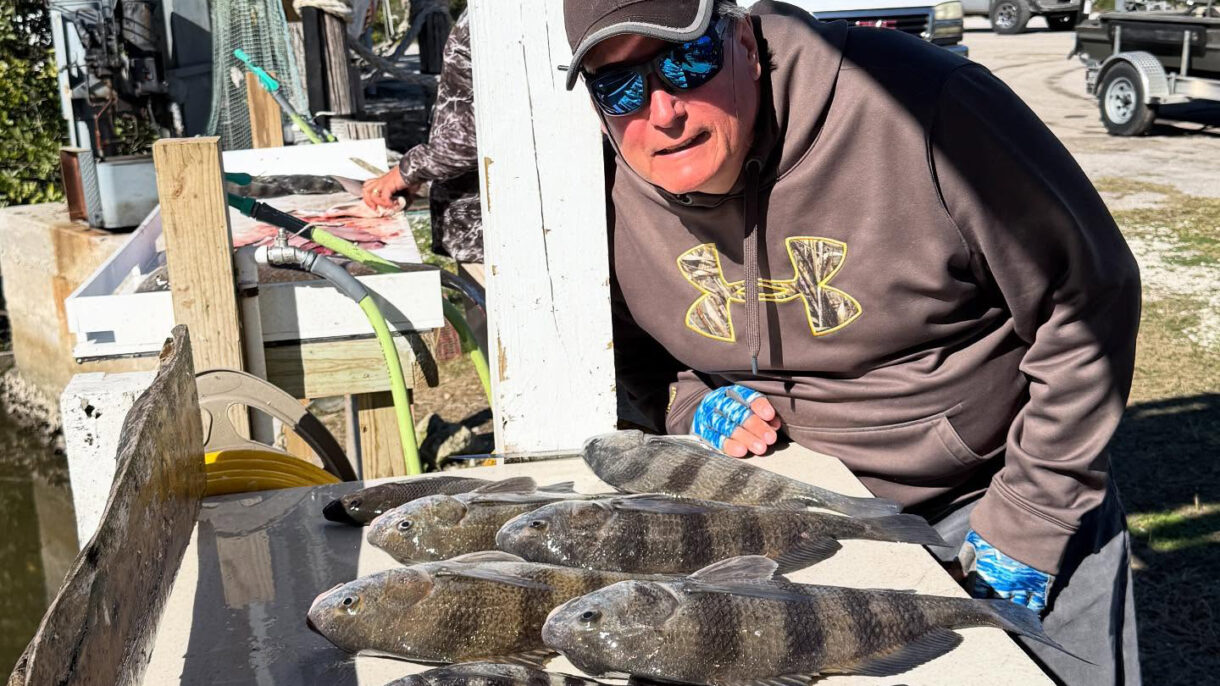
February is prime time for structure fishing, and sheepshead are the star of that show. They love hard structure and crustaceans, and they tend to group up during the winter stretch. If the wind makes the open flats uncomfortable, a good February plan is often to pivot to structure and keep the day productive.
If you want the full breakdown on where they set up and how to fish them, start with Crystal River sheepshead fishing. It matches how we approach February sheepshead: small strong hooks, minimal weight, and shrimp or crab baits kept right on the structure.
Black drum are the quiet heavyweight of February. They often share water with redfish and sheepshead, but they tend to sit a bit deeper and feed a bit slower. Think outside creek bends, soft bottom depressions, and edges where oysters and rock create natural feeding zones. Shrimp is the easy button, and cut crab can be excellent when you are looking for fewer but better bites.
Snook in February
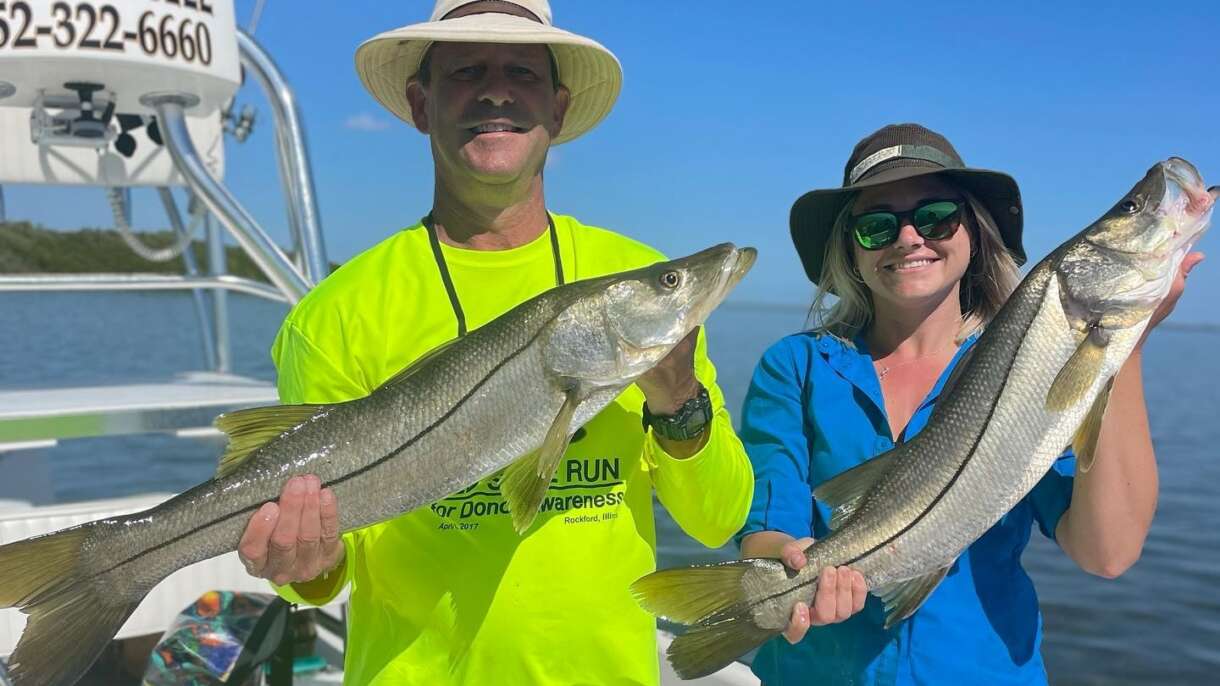
Snook can absolutely show up in February, especially during mild weather stretches, but they are usually not the primary winter plan. The best opportunities tend to come from warm pockets and stable water where temperatures do not swing as hard overnight. In many winter periods, snook are best treated as a careful catch and release target with quick fights and minimal handling.
If snook are high on your wish list, this overview of Crystal River snook fishing explains why the spring fed system keeps them in play even when the air feels too cool for snook in other parts of Florida.
Tides in February
February tides are not a minor detail. They are the map. Strong north and northeast winds can create very low water, especially around the new and full moon tide swings. That low water concentrates fish and reveals how flats drain, where troughs run, and where bait funnels. Those are the exact places that tend to reload as the tide turns and starts moving again.
A common February rhythm that produces well is starting deeper while the morning is cold, then sliding shallower as the day warms and the tide begins to flood. The most productive fishing often happens when you are timing both of those changes at the same time.
Where to Fish in February Around Crystal River
Crystal River gives you a mix of shallow grass flats, oyster lines, spring influence, and a network of backcountry creeks that all fish differently depending on wind and tide stage. In February, the most productive zones are typically the ones that offer protection from wind and a bottom that warms quickly.
If you are new to the area and want to understand how the system lays out, the Areas We Fish page is a solid orientation before you start thinking about tide dependent zones and routes.
February is also a month where winter boating realities matter. Low water can make backcountry navigation tricky, and manatee season rules are in full effect. A careful approach keeps the day smoother and usually adds more time with lines in the water.

A Simple February Game Plan
- Fish the warmest water for the day. Protected shorelines, dark bottom, and spring influenced areas often produce best after cold nights.
- Use low tide to find the map. Troughs, drains, bends, and pinch points show themselves when the flats empty out.
- Time your best effort for moving water. Incoming and outgoing tides position fish on edges and seams, and slack water is usually slower.
- Slow down your presentations. February fish still eat lures and live bait, but they often want it delivered with patience.
- Pivot to structure when needed. Windy days are perfect for sheepshead and drum around docks, pilings, rock, and ledges.
- Think late morning through afternoon. Many February days fish best after the sun has worked for a few hours.
What to Bring for a February Fishing Charter
February can feel chilly on the morning run and comfortable by early afternoon. Dress for wind and you will enjoy the trip a lot more. Polarized sunglasses are a big deal in winter because clear water makes structure reading and sight opportunities much easier.
- layers, plus a windproof outer layer for the boat ride
- closed toe shoes with good grip
- polarized sunglasses and a hat
- sunscreen and lip balm, even in winter
- snacks and drinks for your group
- a small dry bag for phone, keys, and extra layers
If you have questions about what is included and how the day works, the FAQ page covers most of the common prep details.
Late February Into March
February is still winter fishing, but it starts leaning toward spring as the month moves along. You will see longer warming windows, more afternoon activity on the flats, and the first hints of spring movement. If you are planning ahead for that transition, Crystal River Fishing: A Springtime Guide for the Inshore Fisherman is the natural next read after a February trip.
Book a February Fishing Trip in Crystal River
February rewards smart timing and local knowledge. When you match tide stage, wind direction, and the daily warming window to the right part of the fishery, you can have some of the most consistent fishing of the year on the Nature Coast.
If you are ready to lock in dates, start with our inshore fishing charters page, then review rates and reservations for trip lengths and pricing. When you are ready to schedule, you can use online booking or reach out through the contact page to match the best February day to your group and your goals.